Mattress Collection: Recycling and Sustainability Commitment
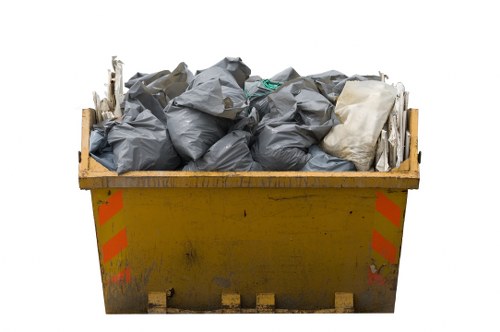 Our Mattress Collection programme is focused on delivering a responsible, circular approach to mattress disposal across urban neighbourhoods. We aim for a clear, measurable target: an 90% mattress recycling rate by 2030. This recycling percentage target reflects our ambition to divert the vast majority of mattress materials from landfill and keep valuable components in use. Whether you book a mattress collection service, schedule a bulky item pickup or arrange mattress recycling, every step is designed to maximise material recovery and reduce greenhouse gas emissions.
Working with Local Transfer Stations and Borough Schemes
We operate through a network of local transfer stations and processing hubs positioned to support borough-level waste separation approaches. Many boroughs now implement separate collection streams for bulky items, textiles and recyclable foam; our mattress pickup teams sort incoming loads so that springs, timber, foam and fabric can follow the correct recycling pathway. By co-ordinating with transfer stations we shorten haul distances and cut handling steps, improving overall resource efficiency.
![A photograph of two young adults, a woman with long blonde hair and a man with a beard and short dark hair, both wearing bright green t-shirts featuring a white recycling symbol, standing indoors in front of large industrial-style windows with grid-like frames. The woman is smiling and covering her mouth with her left hand, while the man is returning a high-five gesture with his right hand. They are engaged in a positive interaction while holding a green plastic recycling bin marked with a white recycling logo, indicating their involvement in waste segregation or recycling activities. Behind them, a storage area or warehouse with cardboard boxes is partially visible, suggesting this is a space dedicated to recycling or waste collection. The natural daylight illuminating the scene highlights the vibrant colours of their clothing and the bin, with an overall professional yet approachable atmosphere relevant to rubbish removal and recycling services in the UK, supporting efforts towards sustainability and environmental responsibility, consistent with the theme of Mattress Collection's recycling and sustainability initiatives in [POSTCODE] or [TOWN].](/pub/_photos/rubbish/f3387146240.jpg) Our partnerships with municipal transfer stations are complemented by participation in borough initiatives that encourage residents to separate soft furnishings from general waste. This alignment reduces contamination of recyclable streams and increases the yield of reusable materials recovered during mattress dismantling.
Our partnerships with municipal transfer stations are complemented by participation in borough initiatives that encourage residents to separate soft furnishings from general waste. This alignment reduces contamination of recyclable streams and increases the yield of reusable materials recovered during mattress dismantling.
We take an integrated approach to mattress recycling, combining mechanical dismantling with manual sorting to recover constituent materials. Foam sections are destined for specialist foam reprocessors, mattress steels and springs are sent to metal recycling facilities, wooden frames and slats are processed for reuse or biomass, and fabrics are evaluated for reuse or textile recycling. These activities ??? foam shredding, spring extraction, fabric reclamation and wood reconditioning ??? are part of an end-to-end mattress recycling workflow that supports local circular economies.
 Charity partnerships form a key pillar of our reuse strategy. Where mattresses are still in good condition, we work with trusted local charities and furniture rehoming organisations to enable safe donation and redistribution. Our collaborations include community housing groups, shelters and social enterprises that provide mattresses to households in need. We never route potentially reusable mattresses straight to shredding; every item is assessed to identify opportunities for reuse before recycling.
Partnerships and Community Benefit
Our mattress collection service is designed to deliver social value as well as environmental benefit. We maintain formal agreements with charities and non-profit partners that handle, sanitise and redistribute reusable mattresses. In addition to donation pathways we support local training schemes at transfer stations that teach dismantling and material sorting techniques, creating jobs in the green economy. Key partnership activities include:
- Collection coordination with borough bulky waste teams
- Donation screening and safe refurbishment for reuse
- Joint campaigns to encourage correct separation of textiles and bulky waste
Low-carbon logistics are central to reducing the lifecycle footprint of mattress pickup and mattress disposal operations. Our fleet transition plan emphasises electric and plug-in hybrid vans for local routes, combined with route optimisation software to minimise vehicle miles. Using low-carbon vans for collection runs reduces tailpipe emissions and, when paired with regional transfer stations, lowers the total carbon intensity for mattress processing. We monitor fleet performance and report reductions in CO2e as part of our sustainability metrics.
![A woman with shoulder-length brown hair and a light skin tone is standing against a plain white background, smiling softly while holding a blue plastic bin filled with several transparent plastic bottles, some with blue and red caps. The bottles vary in size and are made of clear PET plastic, primarily containing empty water or beverage containers. The woman is dressed in a long-sleeved white top and appears to be in a clean, indoor environment. The scene emphasizes responsible waste disposal, with a focus on plastic bottle recycling, relevant to rubbish removal services in the local area near [POSTCODE] or [TOWN], and is associated with Mattress Collection's recycling and sustainability efforts.](/pub/_photos/rubbish/f1402058264.jpg) At the processing hubs we adopt material-specific recycling techniques: foam is shredded and re-bonded for carpet underlay or insulation, metals are separated and sent to smelters, and timber components either enter refurbishment streams or are prepared for sustainable energy recovery. These practical recycling activities mirror the boroughs' emphasis on material separation and demonstrate how local collection practices feed directly into higher-value recycling outcomes.
At the processing hubs we adopt material-specific recycling techniques: foam is shredded and re-bonded for carpet underlay or insulation, metals are separated and sent to smelters, and timber components either enter refurbishment streams or are prepared for sustainable energy recovery. These practical recycling activities mirror the boroughs' emphasis on material separation and demonstrate how local collection practices feed directly into higher-value recycling outcomes.
To ensure transparency we track progress against our recycling percentage target and publish periodic updates to partners. Performance indicators include the tonnage of mattresses collected, proportions routed to reuse versus recycling, and estimated carbon savings from use of low-carbon vans and shorter haul distances to transfer stations.
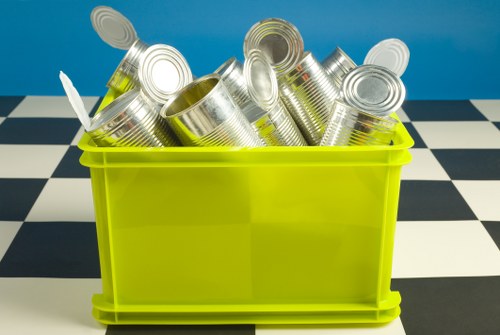 Our mattress collection options are designed to be flexible and environmentally responsible. Whether arranging a kerbside bulky item pickup, scheduling a doorstep mattress pickup, or using authorised drop-off at transfer stations, customers join a system that prioritises reuse and high-value recycling. We encourage boroughs to continue strengthening their waste separation policies so that textiles, foam and wood are captured more effectively at source.
In summary, our sustainable mattress collection and recycling programme combines an ambitious 90% recycling rate target, strategic use of local transfer stations, meaningful partnerships with charities and social enterprises, and an evolving fleet of low-carbon vans. By working across municipal schemes and community partners, we aim to keep materials in productive use, reduce landfill, and deliver measurable carbon reductions while supporting local social initiatives.
We are committed to continuous improvement: increasing reuse opportunities, investing in cleaner logistics, and scaling material recovery methods that align with borough-level waste separation practices. Our mission is simple ??? to make mattress collection an engine for circular resource management and community benefit.