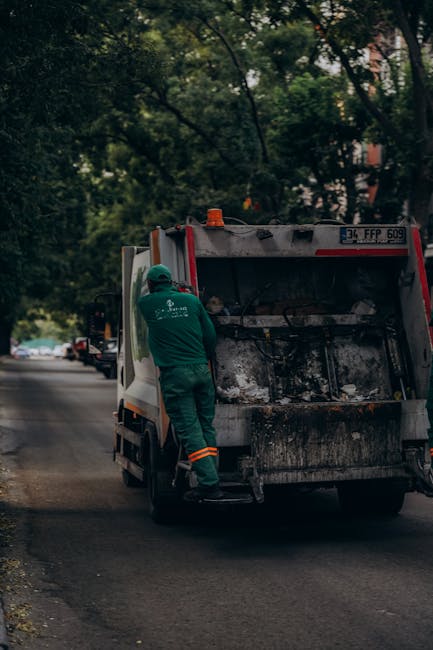
Why Use a Licensed Waste Carrier? UK Certification Explained
If you are arranging a clear-out, refurb, or regular waste collection, the phrase Why Use a Licensed Waste Carrier? UK Certification Explained may sound a bit formal at first. But behind it sits a very practical question: how do you make sure your waste is handled legally, safely, and without creating trouble for yourself later?
That matters whether you are a homeowner getting rid of a sofa, a landlord clearing a flat after tenants leave, or a business managing ongoing waste streams. Let's face it, waste removal can feel like a small job right up until something goes wrong. A fly-tipped mattress on a roadside, a missing receipt, or a collector who cannot prove they are licensed can turn a simple collection into a headache.
This guide breaks the topic down in plain English. You will learn what a licensed waste carrier is, what the certification actually means in UK practice, why it protects you, how the process works, and what to check before booking. There is also a practical comparison, a checklist, and a real-world example so you can make a sensible decision with confidence.
Table of Contents
- Why It Matters
- How It Works
- Key Benefits and Practical Advantages
- Who This Is For and When It Makes Sense
- Step-by-Step Guidance
- Expert Tips for Better Results
- Common Mistakes to Avoid
- Tools, Resources and Recommendations
- Law, Compliance, Standards, or Best Practice
- Options, Methods, or Comparison Table
- Case Study or Real-World Example
- Practical Checklist
- Conclusion
- Frequently Asked Questions
Why Why Use a Licensed Waste Carrier? UK Certification Explained Matters
At its core, this topic is about responsibility. In the UK, waste does not just disappear because someone loads it into a van. It has to be transported and disposed of properly, and that chain matters. If you hand waste to the wrong person, you may not be the one dumping it in a lay-by or on a back street, but you can still be drawn into the mess.
That is the part many people miss. A cheap collection is not a bargain if it leaves you exposed to enforcement action, tenant complaints, neighbour issues, or the slow, ugly business of trying to trace where your rubbish ended up. An unlicensed operator can also damage your reputation if you are a business. Nobody wants their name associated with skipped duty of care, even accidentally.
A licensed waste carrier gives you a clearer path. They are the kind of operator who should be able to show that they are authorised to carry waste and understand the basics of lawful transport and disposal. That does not magically guarantee perfect service, of course. But it does mean there is a recognised compliance framework behind the collection, which is reassuring when you are dealing with bulky items, mixed loads, or commercial waste.
There is also a quality angle. Licensed carriers tend to work more systematically. They are more likely to separate recyclable materials, provide paperwork where needed, and handle awkward items like fridges, mattresses, and furniture with proper disposal routes. In day-to-day life, that means fewer surprises. No mystery van. No shrugging at the end of the job. Just a cleaner process.
Practical takeaway: using a licensed waste carrier is not only about avoiding legal problems. It is also about reducing risk, protecting your property or business, and making the disposal trail easier to trust.
How Why Use a Licensed Waste Carrier? UK Certification Explained Works
The system is simpler than it sounds. A waste carrier is a person or business that transports waste as part of their work. In the UK, legitimate operators are typically registered with the relevant environment body and should be able to confirm that status if asked. The exact administrative setup may vary depending on the part of the UK, but the principle is the same: there should be a formal route for carrying waste legally.
In practice, the process usually looks like this:
- You identify what needs removing, whether that is household junk, office clutter, builders waste, or a single bulky item.
- You book a collection and ask the provider about licensing, paperwork, and what happens to the waste afterwards.
- The carrier removes the waste from your site, often sorting it into different material streams if appropriate.
- The waste is then taken to an authorised transfer station, recycling facility, or disposal site.
- If the load or customer type requires it, records or a waste transfer note may be issued.
That sounds neat on paper. In reality, collections can be messy. A loft clearance may uncover broken furniture, bagged waste, old toys, and a rusty fan you forgot existed. A good licensed carrier knows how to deal with that variety without treating every item the same. They should understand that certain items need special handling, while other materials can often be recycled or reused.
Certification itself is best understood as evidence of authorisation and compliance, not a magic stamp of quality. It tells you the carrier is operating within a recognised framework. You still need to do your own basic checks, because some operators look polished but cut corners. A tidy website and a shiny van are not the same thing as proper waste handling. Slightly annoying, but true.
Key Benefits and Practical Advantages
Using a licensed waste carrier is not just "the safe option". It has real, everyday benefits that show up in convenience, cost control, and peace of mind.
1. Lower risk of fly-tipping trouble
If waste is dumped illegally and it can be traced back to you, you may be asked to explain how it was handed over. That is where a licensed carrier matters. It gives you a stronger position if you need to show you took reasonable care.
2. Better handling of different waste types
Licensed carriers are more likely to understand how to deal with fridges, mattresses, furniture, bulky household waste, and builders waste in the right way. For example, a fridge is not just "another item"; it can require proper handling because of refrigerants and materials. A sensible operator knows this instinctively.
3. Cleaner documentation and accountability
For households, documentation may be minimal. For businesses, it can be more involved. Either way, a proper carrier helps keep the trail clear. That matters if you are managing audits, property records, or repeat collections.
4. More reliable service standards
A licensed operator is more likely to work to an established process. That usually means clearer pricing, better communication, and a less chaotic collection experience. You will notice the difference when the job is on a tight schedule and the team turns up ready rather than vaguely optimistic.
5. Better recycling and sustainability outcomes
Waste should not be treated as all one thing. Reuse, recycling, and responsible disposal are all part of modern waste management. If sustainability matters to you or your business, using a compliant carrier is one small but meaningful step in the right direction. For a wider look at responsible disposal, see recycling and sustainability practices.
| Benefit | What it means in practice | Why you should care |
|---|---|---|
| Compliance | Waste is transported by an authorised operator | Reduces your exposure if something goes wrong |
| Accountability | Clearer records and traceability | Useful for homes, landlords, and businesses |
| Handling | Items are sorted and moved properly | Less damage, less hassle, fewer mistakes |
| Environmental care | Recycling routes are more likely to be used | Helps cut unnecessary landfill use |
Who This Is For and When It Makes Sense
Pretty much anyone who pays for waste collection should care about licensing, but some people need to care more than others.
Homeowners and renters
If you are clearing a spare room, replacing furniture, or getting rid of a mattress, licensed collection is the straightforward route. It is especially sensible if you do not have the time, vehicle, or physical ability to take items yourself. For larger household items, services like bulky waste collection or furniture disposal can be a practical fit.
Landlords and letting agents
Void properties can fill up with the oddest mix of rubbish: broken chairs, food waste, carpets, general clutter, sometimes all at once. A licensed carrier helps keep that clearance organised and gives you more confidence that the waste trail is defensible. If the job is bigger, a house clearance or home clearance approach may be more efficient.
Businesses and offices
Businesses have extra pressure because waste can include confidential, bulky, or mixed commercial material. A licensed carrier can support ongoing collections or one-off clearances, especially if you are dealing with old furniture, storage junk, or office fit-out debris. For this, business waste removal and office clearance are relevant starting points.
Builders and trades
Renovation waste is a different animal. Dust, timber, plasterboard, packaging, broken fittings, it stacks up fast. A properly licensed operator is useful because the job often needs quick turnaround and sensible sorting. See builders waste clearance if that sounds like your situation.
Anyone trying to avoid hassle
Truth be told, some people just want the pile gone. Fair enough. If your priority is to get the job done neatly, with fewer unknowns, a licensed carrier is usually the better call.
Step-by-Step Guidance
If you want to approach this properly, here is the simple version. Nothing fancy, just the practical route that avoids headaches.
- List what needs removing. Be honest and specific. "A few bits" is not enough if you have a sofa, a wardrobe, two bagged loads, and a broken fridge.
- Check whether the waste type needs special handling. Fridges, mattresses, electrical items, and mixed commercial waste may each need different treatment.
- Ask if the carrier is licensed. A proper operator should answer clearly. If they dodge the question, that is the answer, really.
- Ask where the waste goes. Reuse, recycling, transfer station, disposal facility. You do not need every technical detail, but you should get a sensible explanation.
- Confirm pricing and what is included. Ask about loading, labour, access issues, and any extra charges. Clarity up front saves awkward conversations later.
- Get the collection details in writing if possible. Especially for business removals or larger jobs, written confirmation is useful.
- Keep any paperwork or confirmation safely. If your waste is tied to a property, business record, or tenancy change, keep the trail tidy.
When a collection is being arranged in a busy street, or in a flat with narrow stairwells, the practical details matter more than people expect. A few minutes of planning can save a long, sweaty argument in the hallway. Been there, seen that.
Expert Tips for Better Results
If you want the process to run smoothly, a few small habits make a big difference.
Be precise about access
Tell the carrier whether there are stairs, parking restrictions, tight hallways, or loading limitations. In London, access is often the real challenge, not the waste itself. A van outside a terrace in the rain is one thing; squeezing a mattress through a narrow stairwell is another.
Separate items before the visit if you can
This is not always necessary, but it helps. Keeping furniture, electricals, and bagged rubbish apart can make collection faster and more efficient. Faster often means cleaner pricing, too.
Ask about recycling routes
Do not be shy about asking where useful materials end up. A competent carrier should be able to explain the broad route without sounding vague. If they treat the question like an inconvenience, that tells you something.
Use one provider for the whole job where possible
Mixing multiple uncoordinated removals can create confusion over who took what. One reliable carrier is often easier to manage than piecing together a job from several people.
Think beyond the cheapest quote
Cheapest is not always cheapest. A low quote can hide poor handling, vague disposal practices, or surprise add-ons. A fair quote from a licensed operator is usually better value in the end.
Small but useful rule: if you would not feel comfortable explaining the arrangement to a council officer, landlord, or client, it probably needs tightening up.
Common Mistakes to Avoid
This is where many people go wrong, and the mistakes are usually avoidable.
Booking on price alone
If one quote is much lower than the rest, pause for a moment. Is the waste being handled properly? Is access included? Is the carrier actually authorised? A bargain can become expensive in ways you did not expect.
Not asking about licensing
Some people assume all waste collectors are automatically legitimate. They are not. Ask directly. It is a basic question, and a fair one.
Leaving everything until collection day
If a driveway is blocked, the lift is not working, or the items have not been sorted, the job can drag on. A little prep makes the visit smoother. Not glamorous, but useful.
Ignoring paperwork for business waste
Businesses should be more careful than casual household users. Records matter. If you run a shop, office, rental portfolio, or trade operation, keep evidence of proper disposal.
Assuming all bulky waste is the same
A mattress, sofa, old fridge, and garden waste are not identical from a disposal perspective. That is why tailored services such as sofa removal, fridge disposal, or garden clearance can be more sensible than a generic "take it all" approach.
Tools, Resources and Recommendations
You do not need a box of specialist kit to arrange compliant waste removal, but a few simple resources make the process easier.
- Photo inventory: Take a few pictures of what needs removing. It helps with quoting and avoids misunderstandings.
- Room-by-room list: Handy for house clearance, loft clearance, and office jobs where items are spread around.
- Access notes: Parking restrictions, stairs, gate codes, and loading points matter more than people think.
- Paper trail: Keep booking emails, invoices, and any transfer notes or confirmations.
- Service-specific pages: For larger or more specific jobs, it helps to look at rubbish removal, waste removal, or waste disposal pages to match the service to the job.
If you are coordinating several jobs across a property, the broader categories also help. For example, a landlord might combine waste clearance with furniture removal, while a homeowner might need both mattress disposal and mattress collection in the same week.
Law, Compliance, Standards, or Best Practice
Waste handling in the UK is shaped by legal duties and practical best practice. You do not need to become a compliance expert to book a collection, but you do need to understand the basics.
In simple terms, the person or business producing waste has a responsibility to take reasonable care over who they hand it to. That usually means checking that the collector is properly authorised and that the waste will be taken to an appropriate destination. For businesses, the need for records is stronger, and good documentation is part of ordinary best practice rather than an optional extra.
Best practice also means separating waste where possible, using the right carrier for the right material, and avoiding any arrangement that feels vague or too casual. If someone suggests they can "sort it later" without explaining how, that is not great. You want a process, not a hope and a van.
For service providers, compliance should also sit alongside health and safety, insurance, and secure handling. You can see how a responsible operator frames these commitments by reviewing pages such as health and safety policy, insurance and safety, and terms and conditions. Those pages are not just legal formalities; they tell you how seriously the business treats risk.
For businesses, sustainability also plays into compliance culture. A carrier that understands recycling and responsible disposal is usually better placed to support your wider environmental expectations, especially if customers or stakeholders care about waste reduction.
Options, Methods, or Comparison Table
If you are deciding how to remove waste, it helps to compare the common routes side by side. The right choice depends on volume, urgency, item type, and how much effort you want to put in yourself.
| Option | Best for | Pros | Watch out for |
|---|---|---|---|
| Licensed waste carrier | Most household, business, and bulky waste jobs | Safer, more accountable, more convenient | Check pricing and licensing clearly |
| Council collection | Smaller or eligible bulky item jobs | Useful for some households, familiar process | May have longer waits, item limits, or booking rules |
| Self-delivery to a site | People with a suitable vehicle and time | Direct control, can suit small loads | Manual lifting, access rules, and disposal site requirements |
| Unlicensed ad hoc removal | Best avoided | Sometimes cheap on the surface | High risk, poor traceability, potential fly-tipping issues |
For some people, council collection is the right route. For others, especially those with mixed waste, awkward access, or time pressure, a licensed private carrier is the more practical answer. If you are weighing up local options, pages such as council large item collection, council rubbish collection, and council waste collection can help you compare the route with a commercial collection.
Case Study or Real-World Example
Picture a flat clearance in south London on a damp Tuesday morning. The tenants have moved out, the carpets are rolled up in one corner, and there is a mix of broken shelving, two mattresses, a battered desk, and a small pile of bagged rubbish near the kitchen door. Nothing dramatic. Just awkward enough.
The property manager could try to solve it with a random pickup. But that would leave too many questions: who is taking the waste, where is it going, and what happens if something appears later in the wrong place? Instead, they book a licensed carrier, explain the access issues, and ask for clear confirmation of the collection terms. The team arrives with the right vehicle, moves the items without fuss, and the waste is taken through a proper disposal route. Job done. No drama, no mystery.
Now, that sounds simple, and in a good case it is. But the real value is in what does not happen. No one is left chasing a disappearing collector. No one has to wonder whether a mattress ended up dumped on the edge of a lane somewhere. And if the property manager needs to explain the clearance later, there is a clear record. A small thing, perhaps, but a very useful small thing.
Practical Checklist
Use this before you book.
- Have I clearly listed every item or waste type that needs removing?
- Have I checked whether the carrier is licensed or otherwise properly authorised?
- Do I know where the waste is likely to be taken?
- Have I asked about any extra charges for access, heavy items, or sorting?
- Is this household waste, business waste, builders waste, or a mixed load?
- Do I need paperwork, transfer notes, or records for my files?
- Have I compared the service with council collection or another disposal route?
- Do I understand the difference between a cheap quote and a reliable one?
- Have I made access easy for the collection team?
- Would I feel comfortable explaining this arrangement later if I had to?
If you can tick most of those off, you are in good shape.
Conclusion
So, why use a licensed waste carrier? Because it gives you a safer, clearer, and more defensible way to deal with waste in the UK. It reduces your exposure to fly-tipping problems, helps you meet your responsibilities, and usually makes the whole process more straightforward. That is true whether you are clearing one sofa or managing a steady stream of business waste.
The key is not just booking any removal service. It is choosing the right one: one that can explain what they do, how they do it, and why you can trust the process. A little care up front saves a lot of hassle later. And, honestly, that is worth more than a few pounds saved on a dodgy van.
Get a free quote today and see how much you can save.
When you choose well, waste removal stops feeling like a problem and starts feeling like one less thing hanging over your week. That's a decent feeling, to be fair.
Frequently Asked Questions
What is a licensed waste carrier in the UK?
A licensed waste carrier is a person or business authorised to transport waste. The exact registration system depends on the UK nation, but the purpose is the same: to make sure waste is carried and handled through a proper route.
Why does it matter if my waste collector is licensed?
It matters because you may be held accountable if your waste is handed to the wrong person and later fly-tipped. Using a licensed carrier gives you a more reliable paper trail and reduces your risk.
How can I check if a waste carrier is legitimate?
Ask the company directly for confirmation of their authorisation and keep a record of what they provide. A legitimate operator should answer clearly and without hesitation. If they are evasive, take that seriously.
Do I need a licensed carrier for household rubbish?
Often, yes, if you are paying someone to take it away. Even for domestic waste, you should still ask whether the collector is authorised and how the waste will be handled.
Is a council collection the same as using a licensed waste carrier?
Not quite. Council services are public services with their own rules and collection criteria. A licensed private carrier is a separate commercial option, often more flexible for larger or more specific jobs.
What happens if I use an unlicensed waste collector?
You could be exposed to enforcement problems if the waste is dumped illegally. You might also have no clear record of where the waste went, which is a nasty position to be in if questions arise later.
Do businesses need more paperwork than households?
Usually, yes. Businesses are expected to keep better records and follow stronger best-practice processes. The exact paperwork depends on the waste type and arrangement, but records are important.
Are licensed waste carriers more expensive?
Not always, but they may not be the absolute cheapest option. What you are paying for is the combination of lawful transport, proper handling, and a more accountable service.
Can a licensed carrier take bulky items like mattresses or sofas?
Yes, many do. In fact, bulky items are a common reason people book a proper waste collection. Services such as mattress collection and sofa removal are often designed for exactly that sort of job.
What should I ask before booking waste removal?
Ask what they take, whether they are authorised, where the waste goes, what is included in the price, and whether there are any access or loading charges. Those questions usually reveal a lot.
Is a waste transfer note always required?
Not always in the same way for every job, but records can be important, especially for business waste. If you are unsure, ask the carrier what documentation applies to your situation.
What is the biggest mistake people make with waste collection?
The biggest mistake is often booking on price alone and not checking authorisation or disposal arrangements. A cheap collection can become costly if the waste is handled badly.
How do I choose between a licensed carrier and taking waste myself?
If you have a suitable vehicle, time, and the waste is manageable, self-delivery can work. But for large, heavy, mixed, or time-sensitive waste, a licensed carrier is usually far easier and safer.
Why use a licensed waste carrier for a one-off clear-out?
Because one-off jobs are exactly where mistakes happen. People assume the collector is fine, hand over the waste, and never see it again. A licensed carrier gives you more confidence that the job is being handled properly from start to finish.